
or decades, the basic concept of hair straighteners has remained almost unchanged:
Heat up → Clamp the hair → Straighten → Style.
However, with artificial intelligence entering the beauty industry, traditional hair styling tools are undergoing a major transformation.
The latest generation of smart straightening technology from British professional hair tool brand ghd is redefining how we think about temperature control. Instead of simply relying on fixed heat settings, this new technology attempts to understand the condition of the hair itself.
The ghd Platinum+ is often described as a “predictive technology” straightener. It uses intelligent sensors to monitor heat performance and adjust energy output based on factors such as hair thickness, styling speed, and hair condition.
So, what exactly has AI temperature technology changed?
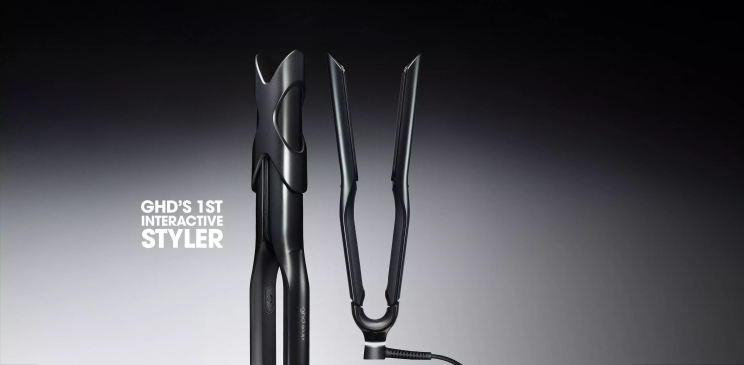
picture from GHD website
AI Temperature Sensing: A Straightener That Starts to “Understand” Your Hair
One of the biggest problems with traditional hair straighteners is simple:
One temperature setting is often used for every type of hair.
Whether you have fine hair, chemically damaged hair, thick hair, or naturally curly hair, many traditional devices rely on users manually selecting a temperature.
But hair is not an industrial material.
Different areas of hair can have different conditions:
- The roots and ends may have different levels of damage;
- The outer layer and inner structure of hair respond differently to heat;
- Different hair types have different levels of heat tolerance.
ghd’s intelligent temperature control technology uses sensors to continuously monitor temperature changes. According to ghd, its Ultra-zone™ technology monitors heat hundreds of times per second to help maintain a consistent styling temperature across the plates.
In simple terms:
Traditional straightener:
“I am set at 185°C, and I will keep delivering 185°C.”
AI smart straightener:
“I can detect how your hair is being styled and optimize the heat to provide a more suitable temperature.”
This represents the future direction of smart beauty technology — moving from “humans adapting to machines” toward “machines adapting to users.”
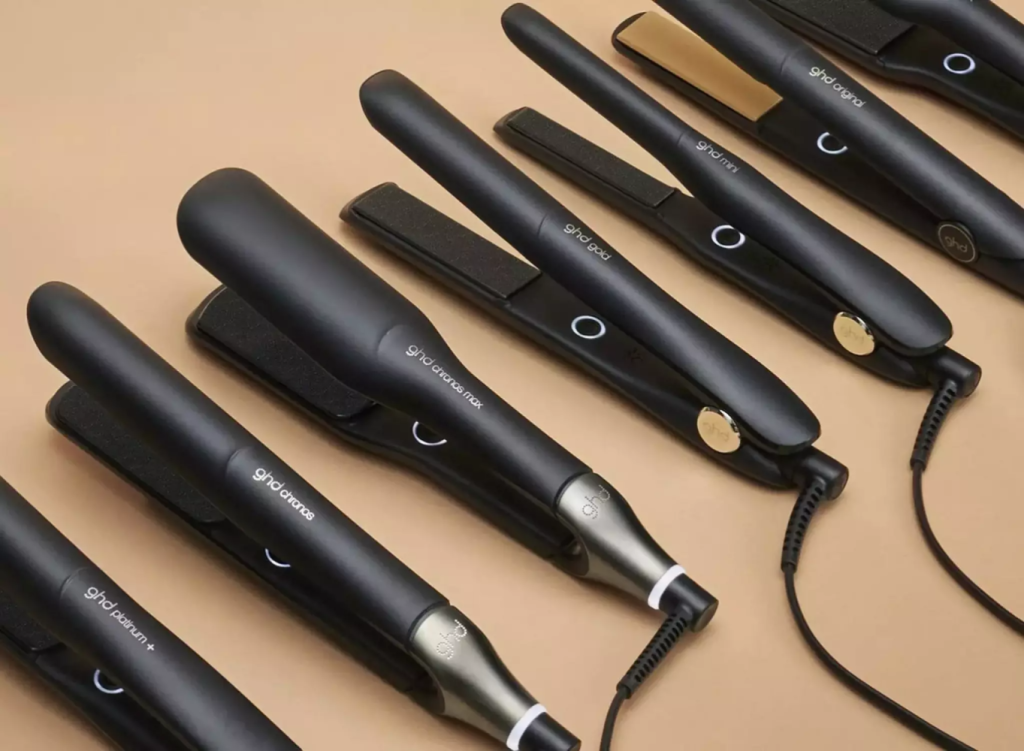
Picture from GHD website
AI Hair Straightener vs Traditional Hair Straightener: What’s the Difference?
ComparisonTraditional Hair StraightenerAI Smart Hair StraightenerTemperature ControlFixed temperature or manual adjustmentIntelligent temperature monitoringOperating LogicUsers adapt to the toolThe tool adapts to the hairHeat Damage RiskHigher risk of overheating certain areasDesigned to reduce unnecessary heat exposureStyling EfficiencyMay require multiple passesDesigned to achieve results with fewer passesUser ExperienceDepends heavily on user experienceMore automated and intelligent
The problem with traditional straighteners is not that they cannot get hot enough.
The real question is:
Is the heat precise enough?
Excessive heat can damage the keratin structure of hair, causing dryness, brittleness, and loss of shine. However, insufficient heat may require repeated passes, which can also increase heat exposure.
ghd claims that 185°C is the optimal styling temperature to balance performance and hair protection, while its smart technology helps maintain a more stable heat output.

picture from GHD website
But Here Comes the Real Question: Can an AI Straightener Really Deliver “Zero Damage”?
This may be the biggest question consumers want answered.
Many beauty technology brands use terms such as:
“Damage Free” “Zero Damage” “Healthy Hair Technology”
in their marketing campaigns.
But the reality is:
Any styling tool that uses heat to change the structure of hair cannot truly achieve 100% zero damage.
What AI technology can potentially do is:
✅ Reduce temperature fluctuations ✅ Help prevent excessive heat in certain areas ✅ Reduce the need for repeated passes ✅ Improve styling efficiency
However, it cannot change one fundamental fact:
Hair is a keratin fiber that does not regenerate like skin. Once severe heat damage occurs, hair cannot fully repair itself.
Therefore, the true value of AI hair straighteners may not be:
“Completely eliminating damage.”
Instead, it may be:
“Making heat styling damage more controlled and manageable.”
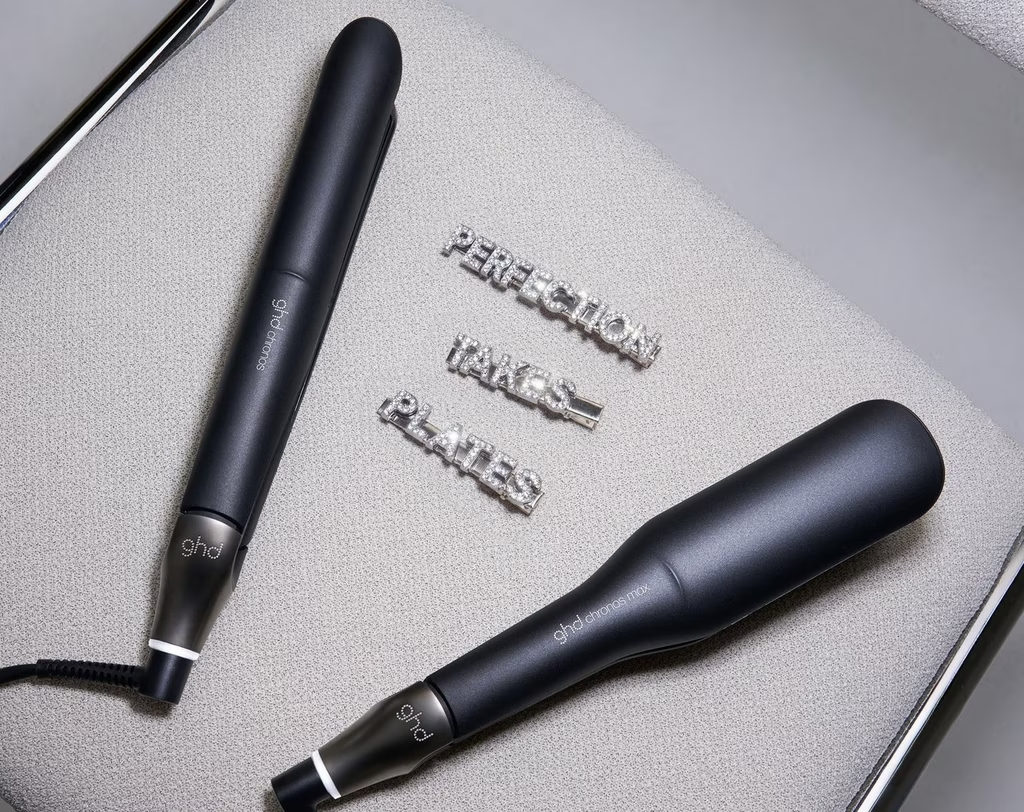
Picture from GHD website
So, Is ghd’s AI Straightener a Technology Revolution or Just Premium Marketing?
he answer may be somewhere in between.
There is no doubt that smart sensors, precise temperature control, and AI-driven technologies are changing the future of professional hair tools.
However, consumers should also stay realistic.
A smarter straightener can help protect your hair, but it cannot replace:
- Proper styling techniques;
- Heat protection products;
- Reasonable styling frequency;
- Long-term hair care management.
The real question may not be:
“Is an AI straightener completely damage-free?”
The real question is:
“When a straightener starts sensing your hair, is it truly redefining the future of hair styling technology — or is it simply turning traditional technology into a new AI marketing story?”
What do you think?
Are AI hair tools the next revolution in the beauty industry, or just another concept created by brands to attract consumers?