
For beauty brands, wholesalers and distributors, selling hair styling appliances does not end when an order is delivered.
After-sales support plays an important role in customer satisfaction, brand reputation and long-term business relationships.
Hair dryers, straighteners, curling irons and multifunctional air stylers are electrical appliances. Even when products undergo quality inspections before shipment, buyers still need a clear process for handling customer complaints, warranty claims, replacement parts and technical issues.
For importers and private label brands, an effective after-sales plan should be discussed with the manufacturer before mass production.
In this guide, we explain how to establish a practical after-sales support system for hair styling tools and what B2B buyers should confirm when selecting a manufacturing partner.
1. Establish a Clear Warranty Policy
A warranty policy is one of the first things buyers should confirm with their manufacturer.
Without clear written terms, disagreements can arise when products experience operational problems after delivery.
A professional warranty agreement should define:
- Warranty period and starting date.
- Products and components covered.
- Types of manufacturing defects covered.
- Procedures for submitting claims.
- Evidence required for claim verification.
- Repair or replacement arrangements.
- Exclusions and responsibilities of each party.
For example, a manufacturer may provide a one-year warranty starting from the shipment date.
However, buyers should also clarify whether the warranty covers manufacturing defects involving materials, workmanship or assembly, and how ordinary wear, misuse, accidental damage and unauthorized modifications are handled.
A clear agreement protects both the manufacturer and the buyer while creating realistic expectations for end customers.
2. Understand Common After-Sales Issues in Hair Styling Appliances
Different hair styling products have different operating structures, so their potential service requirements are not identical.
Hair Dryers
Common issues may include:
- Motor operation problems.
- Abnormal noise or vibration.
- Heating element malfunction.
- Power cord or switch problems.
- Air inlet blockage.
- Attachment connection issues.
Hair Straighteners
Potential complaints may involve:
- Uneven heating.
- Temperature control problems.
- Plate coating damage.
- Display malfunction.
- Loose hinges or mechanical components.
- Power connection issues.
Curling Irons and Heated Brushes
Buyers should pay attention to:
- Heating consistency.
- Temperature sensor performance.
- Switch and control failures.
- Barrel or plate surface damage.
- Power cord connection.
- Safety-related operating problems.
Air Multi-Stylers
Multifunctional products may require additional attention because they contain several interchangeable accessories and more complex airflow or control systems.
Potential complaints include:
- Loose attachment connections.
- Insufficient airflow.
- Abnormal motor noise.
- Accessory compatibility issues.
- Heating or temperature control problems.
Understanding these potential issues helps brands prepare appropriate technical support and spare-part arrangements.
3. Create a Standardized Complaint Reporting Process
An effective after-sales process should begin with accurate information.
When an end customer reports a problem, the distributor or brand should collect sufficient evidence before requesting a technical assessment from the manufacturer.
A useful complaint report should include:
- Product name and model number.
- Purchase date and sales channel.
- Production batch or serial number, if available.
- Description of the reported issue.
- Photos of the product.
- Video showing the problem, where appropriate.
- Operating conditions and relevant usage information.
- Quantity of affected units.
For example, if a customer reports that a hair dryer produces abnormal noise, a short video showing the operating sound can help the technical team investigate the problem.
If several units from the same batch show similar symptoms, the manufacturer should also review the batch records and investigate whether a common production or component issue exists.
A standardized reporting process reduces unnecessary communication and helps both parties identify the actual cause.
4. Develop a Practical Spare Parts Management Plan
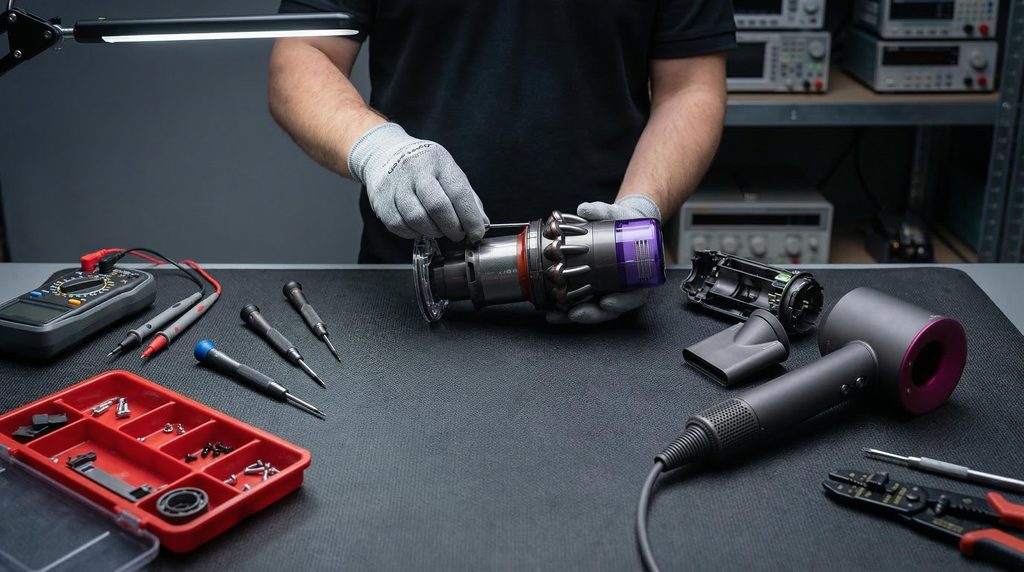
Spare parts are important for distributors and brands that want to provide efficient after-sales service.
Depending on the product structure, useful spare parts may include:
- Power cords.
- Switches and buttons.
- Heating elements.
- Motors.
- PCBA control boards.
- Temperature sensors.
- Attachments and accessories.
- Replacement plates or blade assemblies.
However, not every product requires the same spare-part inventory.
Before confirming a wholesale order, discuss which components are replaceable, whether they are available separately and how long they can be supported.
For products with complex electronic systems, confirm whether replacement components require technical installation or professional testing.
A spare-part plan should consider:
Product Sales Volume
Higher sales volumes may justify keeping additional replacement components in stock.
Product Structure
Products with more electrical or mechanical components may require a more detailed spare-part list.
Market Requirements
Different countries and distribution channels may have different expectations for repairability and customer support.
Product Lifecycle
Confirm whether important components will remain available for future orders and after-sales requirements.
Good spare-part planning can help distributors reduce service delays and improve customer confidence.
5. Establish a Fair and Traceable Warranty Claim Process
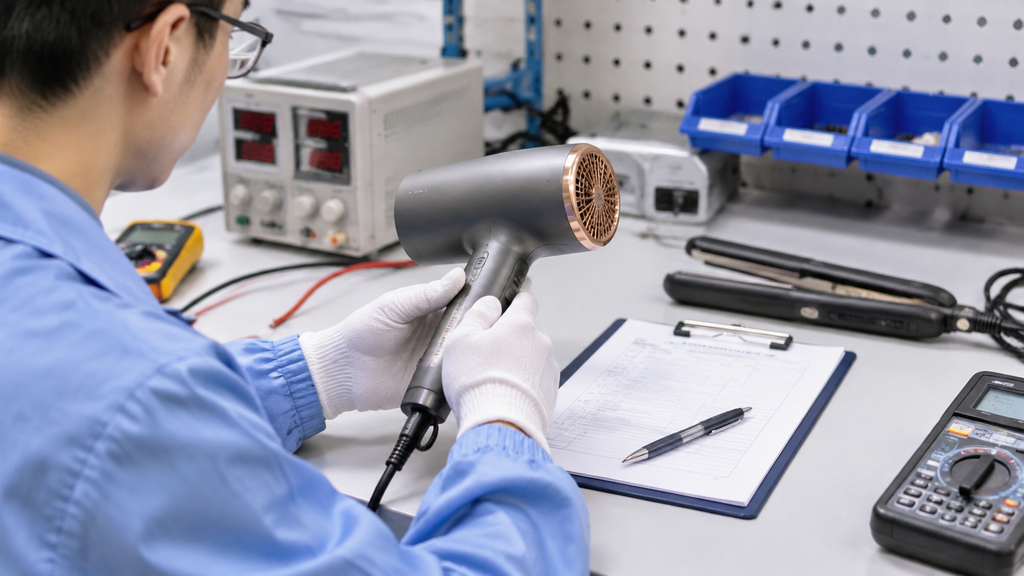
A warranty claim should be based on documented evidence rather than assumptions.
Both parties should agree on how claims are reviewed and how responsibility is determined.
A practical process may include:
Step 1: Claim Submission
The buyer submits the product details, affected quantity, problem description and supporting evidence.
Step 2: Initial Technical Review
The manufacturer evaluates the reported symptoms and requests additional information if necessary.
Step 3: Cause Investigation
If required, the manufacturer checks returned samples, component conditions or production records to identify the possible cause.
Step 4: Responsibility Confirmation
The buyer and manufacturer determine whether the issue falls within the agreed warranty coverage.
Step 5: Corrective Action
Depending on the situation and written agreement, the parties may arrange replacement components, product replacement, repair or another agreed solution.
Step 6: Record Keeping
The complaint and corrective action are documented for future quality improvement.
For ordinary confirmed manufacturing defects, some B2B arrangements allow replacement units or components to be supplied with the buyer’s next order.
The specific method, quantity and timing should always be confirmed in writing.
6. Distinguish Manufacturing Defects from Other Product Issues
Not every product complaint automatically represents a manufacturing defect.
This distinction is important when negotiating warranty responsibilities.
Examples of potential manufacturing defects include:
- Incorrect assembly.
- Defective electrical components.
- Material failures.
- Functional problems caused by manufacturing or workmanship.
- Product performance outside the approved specifications.
Other issues may result from:
- Improper operation.
- Accidental drops or impact.
- Unauthorized repairs or modifications.
- Incorrect voltage or unsuitable power supply.
- Normal wear after extended use.
- Failure to follow maintenance instructions.
The final determination should be based on the product condition, technical evidence and agreed warranty terms.
A transparent responsibility framework helps prevent misunderstandings and unnecessary disputes.
7. Maintain Product Traceability and Batch Records
Product traceability is essential when handling repeated complaints or investigating a potential batch issue.
For private label brands, it is helpful to maintain records covering:
- Product model and revision.
- Production batch.
- Manufacturing date.
- Approved product specifications.
- Component configuration.
- Inspection records.
- Shipment information.
- Complaint and corrective-action history.
If several customers report similar problems, these records can help identify whether the issue is isolated or connected to a particular production batch.
Manufacturers should also maintain appropriate engineering change records.
For example, if a motor, heating element, PCB or accessory connection is modified, the change should be documented and evaluated before it is introduced into mass production.
This makes future technical investigations more efficient and helps maintain product consistency.
8. Prepare After-Sales Arrangements Before Launching a New Product
After-sales planning should not be delayed until the first customer complaint occurs.
Before launching a new hair styling appliance, brands should prepare the necessary support materials.
Consider preparing:
User Instructions
Provide clear operating instructions, cleaning guidance and safety information.
Troubleshooting Guide
Explain basic checks for common operational problems, without encouraging customers to open or repair electrical appliances themselves.
Warranty Documentation
Ensure that warranty terms are consistent across the manufacturer, distributor and end-customer documentation.
Spare Parts List
Identify available replacement components and their corresponding product models.
Technical Support Contact
Establish a clear communication channel between the distributor and manufacturer.
Claim Documentation
Use a standard form for recording product complaints, evidence and agreed corrective actions.
For electrical or safety-related complaints, stop using the affected product and follow the appropriate safety and investigation procedures rather than asking customers to continue testing it.
9. Choose a Manufacturer That Supports Long-Term Cooperation
For B2B customers, the right manufacturing partner should offer more than competitive pricing and attractive product designs.
It should also have the technical capability and communication processes needed to support products after shipment.
When evaluating a potential supplier, consider asking:
- What is the standard warranty period?
- When does the warranty period begin?
- Which types of manufacturing defects are covered?
- How are warranty claims submitted and reviewed?
- Can replacement components be supplied separately?
- How are recurring quality issues investigated?
- Are production batch and inspection records maintained?
- What technical support is available for distributors?
These questions help buyers understand whether a manufacturer can support their business beyond the initial purchase order.
10. How Aikepro Supports B2B Customers After Shipment
Aikepro specializes in the development and manufacturing of hair styling appliances for international beauty brands, wholesalers, importers and distributors.
Our product range includes:
- High-speed hair dryers.
- Professional hair dryers.
- Hair straighteners.
- Curling irons.
- Air multi-stylers.
- Heated brushes.
- Hair clippers and trimmers.
Our manufacturing capabilities include in-house mold development, injection molding, product assembly and quality inspection.
We also support our B2B customers with practical after-sales arrangements.
Our standard warranty baseline is one year from shipment, subject to the agreed product and warranty terms.
For confirmed ordinary manufacturing defects covered by the agreement, replacement arrangements can be coordinated with subsequent orders.
Our after-sales approach focuses on:
- Clear warranty responsibilities.
- Technical communication.
- Evidence-based complaint assessment.
- Product quality investigation.
- Agreed replacement arrangements.
- Continuous improvement through customer feedback.
We believe long-term cooperation requires clear communication and realistic responsibilities from both sides.
Frequently Asked Questions
Q1: How long should a hair styling tool warranty last?
Warranty periods vary by product category, target market and commercial agreement. A one-year warranty is a common starting point for many B2B hair appliance projects, but the exact terms should be agreed before production.
Q2: What information is required for a hair dryer warranty claim?
Buyers should normally provide the model, purchase or shipment information, affected quantity, problem description, photos and videos where available, and relevant batch or serial information.
Q3: Can manufacturers supply replacement parts for hair styling tools?
Many manufacturers can provide selected replacement components, depending on the product structure and component availability. Buyers should confirm the spare-part list and availability before placing bulk orders.
Q4: Are all customer complaints covered by the warranty?
No. Warranty coverage depends on the agreed terms and the actual cause of the issue. Manufacturing defects should be distinguished from misuse, accidental damage, unauthorized modifications and normal wear.
Q5: How can distributors reduce after-sales costs?
Distributors can reduce avoidable service costs through appropriate product selection, sample testing, clear user instructions, spare-part planning, batch traceability and standardized complaint reporting.
Q6: Should warranty terms be confirmed before mass production?
Yes. The warranty period, coverage, claim procedures, evidence requirements and replacement arrangements should be documented before the purchase order is finalized.
Final Thoughts
A reliable after-sales support system is an important part of building a successful hair styling tool brand.
For manufacturers, it means maintaining product records, investigating genuine manufacturing problems and communicating clearly with business partners.
For brands and distributors, it means establishing realistic warranty policies, preparing spare parts and managing customer complaints efficiently.
The best partnerships do not end when products leave the factory. They continue through technical support, transparent communication and responsible problem resolution.
Looking for a hair styling tools manufacturer that supports long-term B2B cooperation?
Contact Aikepro to discuss OEM and ODM hair dryers, hair straighteners, curling irons, air multi-stylers and professional grooming appliances.
Website: https://www.aikepro.ltd/
Email: info@aikepro.ltd
Let’s build a reliable and sustainable business partnership together.